 zenpage
TikTok for therapists: attract clients without dancing or making promises
TikTok for therapists: a simple profile with your profession and city, two short videos a week answering client questions, and a booking link that converts.
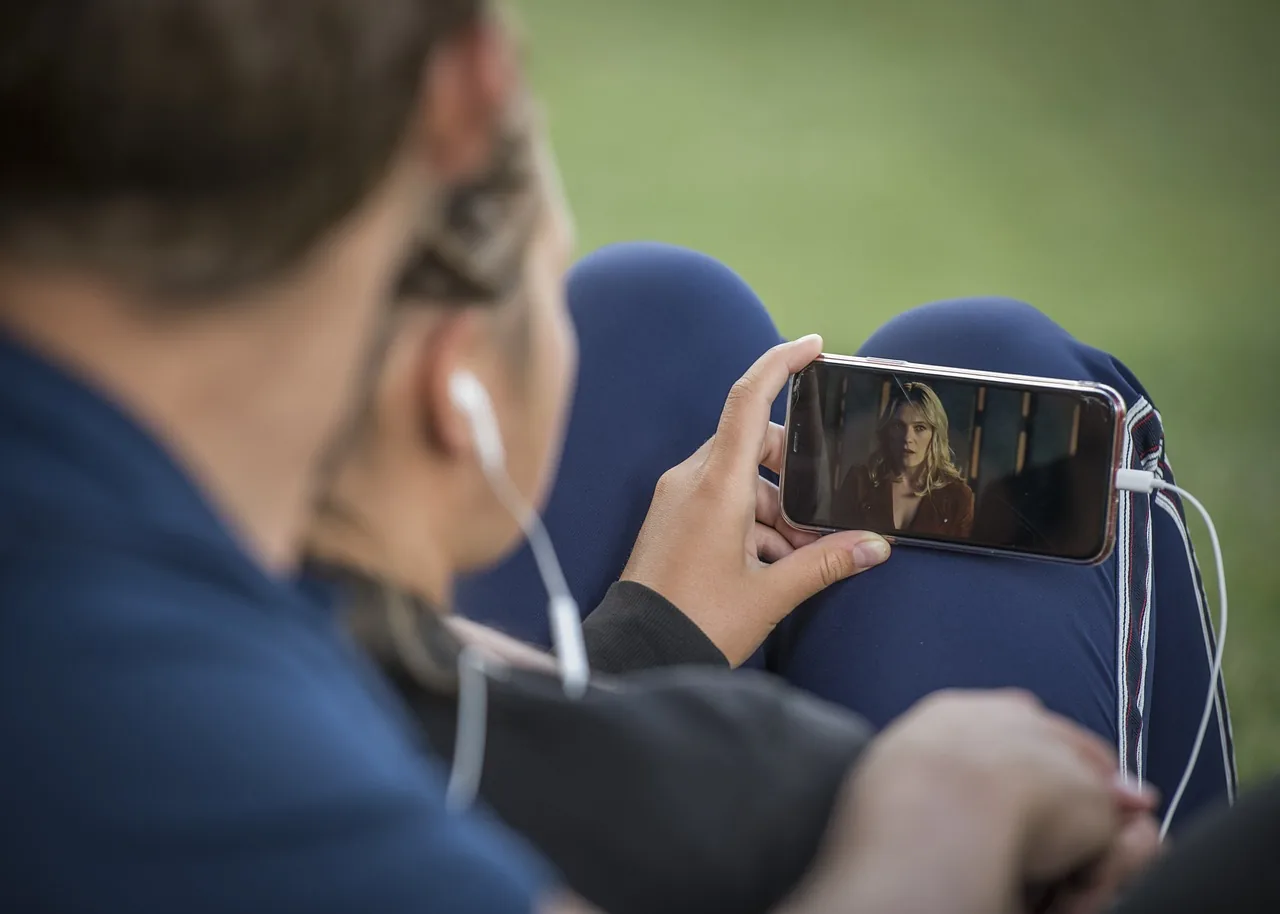
TikTok can bring clients to a therapist who uses it as an educational shop window, not as a stage. The method: a simple account with your profession, your city and a booking link, one or two short videos a week that answer patients' real questions, without ever promising an outcome. Followers who watch you for weeks arrive at the first session already confident, because they feel they know you.
Many practitioners download the app, post three hastily filmed videos, see a few hundred views with zero enquiries, then uninstall it and conclude the network is not for them. The mistake is not the network, it is the expectation: nobody books a session after a single video, and views from the other side of the country will never fill a practice. TikTok helps you become familiar to the people in your city and removes the fears of those who have never consulted, while other channels capture people looking for a therapist tonight. If your whole online presence is TikTok, first re-read the five-step communication strategy to lay the foundations (Google profile, directories, booking page) before investing in video.
Can TikTok really bring clients to a therapist?
Yes, for a simple reason: TikTok has become the reflex of the under-40s for discovering a professional, checking they like them, then deciding to contact them. Where Facebook reaches people in their forties and retirees, TikTok reaches young professionals, students and young parents: exactly the audiences discovering sophrology, hypnosis or naturopathy through video who would never dare walk into a practice without knowing what to expect. The way you explain things in sixty seconds acts as a first contact.
In practice, TikTok plays three roles for a practice. First, it demystifies: a video showing your practice, your voice, the way you talk about a topic (stress before an exam, broken nights, mental load) removes the fear of the unknown that blocks so many first consultations. Second, it makes you familiar: the algorithm shows your videos to the same viewers again, and that repetition builds a trust no advert can buy. Third, it rejuvenates your clientele: established practitioners who only see 50-year-olds find an audience of 25 to 40-year-olds who use neither paper directories nor neighbourhood word of mouth. It is a neighbourhood shop window in video format, not a national directory.
So never put all your effort into it. Immediate demand (someone searching for a hypnotherapist in Mulhouse tonight) goes to the Google profile and directories: polished directory listings bring more appointments per hour invested than a month of videos. TikTok comes on top, for practitioners comfortable on camera who accept a steady presence for at least six months, without spending their evenings on it.
What should a therapist's TikTok account contain?
A therapist's account must answer three questions in ten seconds: who you see, where, and how to book. Username, profession and city in the title (people search for sophrologist in Colmar, not for your brand name), a short bio saying who you work with, then a clickable online booking link. It is that link, not the follower count, that turns views into appointments.
- The username and bio: Claire Martin, sophrologist in Mulhouse rather than an incomprehensible brand name. One line for who you help (stress, sleep, exam preparation), one line for where (practice in Mulhouse and video sessions), and the booking link.
- The booking link: point the bio link to your online booking page, never to the generic homepage of your website. A motivated viewer will not click twice.
- Three pinned videos: who you are, what a first session looks like, how to book and at what fee. A hurried visitor watches these three videos and knows everything.
- A separate pro account: post from a professional account dedicated to the practice, never from your personal account. The pro statistics also show you which videos are watched in your city.
- Filtered comments: switch on the spam filter and banned words, and never answer an individual health question in public. Always redirect to a consultation.
Also take time over the landing page: a viewer who clicks your link must land directly on your services and your slots, with your fees visible. The settings of your public Zenpage page let you point the bio link exactly at booking, for a journey with no wasted step.
What should you post, and at what sustainable pace?
The rule is the same as for all practitioner content: inform, never promise. Describe your setting, your way of working and the practical questions; never talk about results, cures, or individual cases, even anonymised. On TikTok, this constraint is an opportunity: sober and useful videos are the ones the algorithm pushes locally, while promises are frowned upon there, sometimes reported, and contrary to the ethics of most professions.
| Format | Video example | Suggested frequency |
|---|---|---|
| Practical question | How long does a first session last, answered to camera with the fee in a pinned comment | Once a week |
| Professional misconception | Hypnosis, do you sleep? Dismantling the cliche in under a minute, with an everyday example | Twice a month |
| Behind the scenes | Your consulting room, your welcome ritual, a course you attended, never filming a client | Whenever something happens |
| Review relay | A Google review received, read aloud with thanks, and the booking link repeated at the end of the video | Two or three times a year |
| Local life | Wellness fair, associations forum, open day: where to meet you in your city | At each event |
One or two videos a week are enough if you keep the pace for a year: consistency over twelve months beats one intensive month followed by silence. Film in batches (one hour for three or four videos), talk as you would to a client, with no complicated editing or choreography, and schedule your posts so you do not reopen the app every day. Skip dance trends and repurposed fashionable sounds: they attract views from everywhere, not clients from your city.
How do you turn followers into appointments?
The move from follower to client comes down to cutting friction. First: check the journey from a phone, as a neighbourhood resident would: video, profile, bio link, slot choice, confirmation. Every extra step loses enquiries, especially on mobile where your viewers watch you. A direct link to booking, repeated in a pinned comment under every video that performs, noticeably changes the number of enquiries. The visibility and sharing settings of your page let you spread that link wherever people look for you.
Second: look after private messages, because that is where decided viewers write to you rather than commenting in public. Reply fast and short, state the fee and the waiting time plainly, and always redirect to booking rather than negotiating times in messages. Third: turn satisfied clients into Google reviews, because reviews convert the hesitant people comparing you. The automatic review request after each session captures that goodwill without you having to ask face to face, and the booking link shared in the right place (bio, Google profile, pinned comments) does the rest.
For a year I watched TikTok telling myself it was not for my profession, then I tried with my own means: my phone propped on a pile of books, my answers to the questions my clients already ask me. After eight months at two videos a week, nearly all my new clients under 35 said they had found me through video. There was nothing magic about the network, consistency is what eventually paid off. My advice: do not watch the views, watch where your new clients come from, and give it a year before judging. This feedback illustrates the central rule of this channel: simple and steady videos beat brilliant but abandoned ones.
TikTok, Google, directories: how do you combine the channels?
Each channel has its role, and TikTok replaces none of the others. The Google profile captures urgent searches (psychologist open Saturday), directories capture comparisons (sophrologist or hypnotherapist for stress), word of mouth brings the most confident clients, and TikTok nurtures the relationship with residents who are not ready to consult yet. A typical client discovers you in a video, checks you are serious on your page, reads your Google reviews, then books from a search: the channels work together.
If, after six steady months, TikTok still brings nothing while your Google profile and directories work, the problem rarely comes from the network: it is often the landing page that slows things down (complicated booking journey, vague presentation, no fees). In that case the question is no longer should I post more but where are clients getting lost. The agency monsitetherapeute's website or social media guide for therapists helps decide: it compares what a converting website brings against networks that keep you busy, so you invest effort in the right place.
Frequently asked questions
Can TikTok really bring clients to a therapist?
Yes, as a discovery and trust channel, not as an emergency directory. Your short videos show your setting and the way you explain things, and viewers who follow you for several weeks arrive at the first session already reassured. Allow several months of consistency before the first enquiries, and keep your Google profile for people looking for a practitioner tonight.
What should a therapist's TikTok account contain?
Your profession and your city in the username and bio, a real photo of you or your practice, and a clickable online booking link. Add three pinned videos covering the essentials: who you see, what a first session looks like, how to book. Post from a pro account, separate from your personal account.
What should a therapist post on TikTok?
Answer in under a minute the questions your clients already ask: session length, fees, waiting times, video sessions, common misconceptions about your profession. One or two videos a week are enough if you keep it up for a year. Never talk about outcomes or individual cases, even anonymised, and never show an identifiable client.
How do you turn TikTok followers into appointments?
Shorten the path: a booking link in the bio repeated in a pinned comment, a simple call to action at the end of each video, and fast replies to private messages with the booking link. Then ask satisfied clients for a Google review, because reviews are what convert hesitant people comparing you with other practitioners.